


As a parent and a lifelong sports enthusiast, I have spent countless hours on the sidelines, in the bleachers, and on the field. I have seen the joy that a great sports program can bring to a child. I have also seen the frustration that comes from a poor fit. Selecting the right environment for your child is a crucial decision. It can shape their physical health, their confidence, and their love for physical activity for years to come. In this comprehensive guide, I will share my personal experience to help you navigate this process.
When you start looking for youth sports programs, the options can feel overwhelming. There are recreational leagues, competitive travel teams, school programs, and private clubs. Each option has its own culture, time commitment, and financial requirements. Making the right choice requires careful consideration of your child’s needs and your family’s lifestyle. I remember when my oldest child first wanted to play soccer. We jumped into the first program we found. It was highly competitive, and my child just wanted to have fun with friends. We quickly learned that finding the right fit is more important than simply signing up for the nearest team.
Understanding Your Child’s Interests and Abilities
The first step in choosing the right program is to talk to your child. This might sound obvious, but many parents choose a sport based on their own interests rather than what their child actually wants to do. Ask them what sports they find exciting. Watch what they naturally do when they play outside. Do they like running, throwing, kicking, or swimming? Their natural inclinations can be a great guide.
It is also important to consider their emotional and physical readiness. Some children are ready for structured sports for kids at age five. Others might not be ready until they are eight or nine. There is no rush. Pushing a child into a structured environment too early can lead to burnout. If your child is very young, look for programs that focus on basic motor skills and fun. They do not need to learn complex tactics at age six. They just need to learn how to run, jump, and work with a team.
When I was coaching younger age groups, the most successful kids were the ones who were there because they wanted to be there. They had a natural curiosity about the game. Parents who forced their kids to participate usually ended up dealing with tears and resistance. Listen to your child. Let their interests guide your initial search.
Evaluating Coaching Philosophy and Environment
Once you have a sport in mind, it is time to look at the people running the programs. The coach is the most important factor in your child’s sports experience. A good coach can inspire a lifelong love of the game. A bad coach can make a child want to quit immediately.
When evaluating youth sports programs, try to speak with the coaches or the program directors. Ask them about their philosophy. Are they focused on development and learning, or are they solely focused on winning? At the youth level, development should always be the priority. Kids need a safe environment where they can make mistakes and learn from them.
In my experience, the best coaches are patient and encouraging. They use positive reinforcement to correct mistakes. They do not yell at children or demean them in front of their peers. You want a coach who understands that children are not miniature professional athletes. They are kids who are learning how to play a game.
Another aspect to consider is playing time. Ask the program about their policies on playing time. In recreational leagues, playing time should be relatively equal. Every child deserves the chance to play and improve in game situations. If a program only plays their best players, it might not be the right environment for a child who is just starting out. Look for an environment that values every player on the roster.
Assessing Time Commitment and Family Schedule
Sports can quickly take over your family’s life. Before you register, you need to understand the time commitment involved. Different levels of play require vastly different schedules.
Recreational leagues usually have one or two practices a week, plus a game on the weekend. This is a manageable schedule for most families. It allows kids to play sports while still having time for homework, family activities, and other hobbies.
On the other hand, travel or club teams can demand three or four practices a week, along with weekend tournaments that require long drives or even hotel stays. I have participated in both types of programs with my own children. The travel team experience was rewarding, but it was also exhausting. We spent our weekends driving across the state, eating fast food, and sleeping in hotels. It left little time for anything else.
Before you commit, look at your family’s schedule. Be realistic about what you can handle. Remember that you will likely be the one doing the driving. If a program requires a massive time commitment, make sure your child is truly passionate about the sport. It is perfectly fine to choose a less demanding program if it fits better with your family life. When searching for youth sports near me, I always recommend starting with local, community-based programs. They often provide a great balance of fun and convenience.
Understanding the True Costs Involved
Cost is another major factor in choosing a sports program. The price tag can vary wildly from one league to another. When you are looking at options, make sure you understand the complete financial picture.
The registration fee is usually just the starting point. You also need to consider the cost of equipment. Some sports, like soccer or basketball, only require a few basic items. Others, like ice hockey or lacrosse, require extensive and expensive gear. Furthermore, kids grow quickly. You will likely need to buy new equipment every year.
Travel costs can also add up fast. If you join a competitive team, you will be paying for gas, meals on the road, and hotel rooms. You might also have to pay for tournament entry fees or specialized training sessions. I remember one season where the hidden costs of my son’s baseball team nearly doubled our initial budget.
Do not be afraid to ask the program director for a full breakdown of expected costs. Many good youth sports programs offer scholarships or financial aid for families who need it. There are also great options for buying used equipment to save money. Find a program that fits comfortably within your budget. Financial stress can easily ruin the enjoyment of the sport for both you and your child.
Safety Protocols and Facility Quality
Safety should be a top priority for any organization that works with children. As a parent, you have the right to ask questions about how the program protects its participants.
First, look at the physical environment. Are the playing fields well-maintained? Are the basketball courts clean and free of hazards? Poorly maintained facilities can lead to injuries. I once pulled my child from a league because the soccer fields were full of holes and uneven patches. It simply was not safe for kids to run on them.
Second, ask about the program’s safety policies. Do they require background checks for all coaches and volunteers? Do they have a clear concussion protocol? In today’s sports landscape, it is vital that programs take head injuries seriously. Coaches should be trained to recognize the signs of a concussion and should know when to remove a player from a game.
Additionally, check if there are certified athletic trainers or medical personnel on site during games. While this is more common in older age groups, it is a great sign that the program takes safety seriously. A reputable organization will be transparent about their safety measures and will welcome your questions.
Observing a Practice or Game
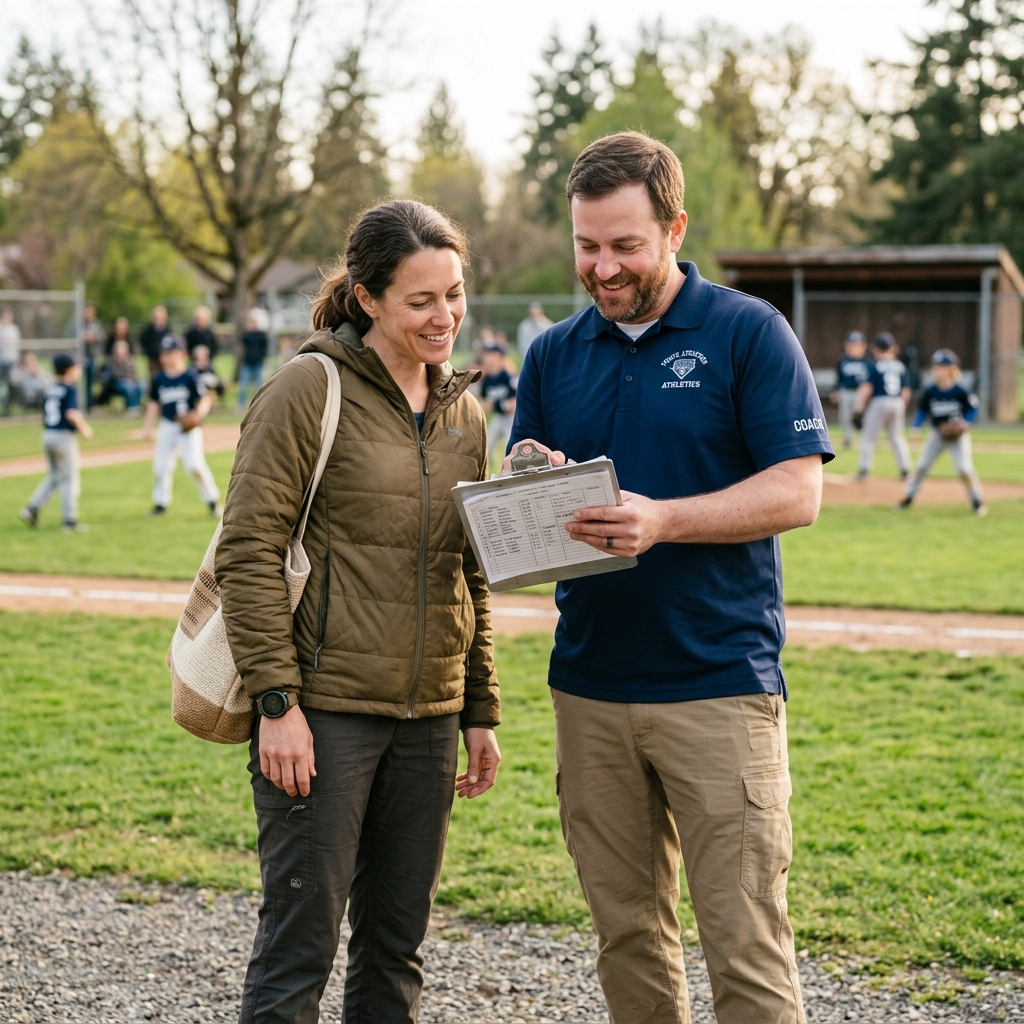
One of the most effective ways to evaluate a program is to go watch them in action before you sign up. When you are searching for youth sports near me, find out where local teams practice and drop by.
Watch how the coach interacts with the kids. Do the children look engaged and happy, or do they seem stressed and bored? A good practice should be organized and active. Kids should not be standing in long lines waiting for their turn. They should be moving, learning, and having fun.
Pay attention to the sidelines as well. The behavior of the parents can tell you a lot about the culture of the program. Are the parents cheering encouragingly, or are they yelling at the referees and criticizing the players? A toxic sideline environment can ruin the experience for a child. I have seen programs with great coaches but terrible parent cultures. It makes every game a stressful event. Look for a community that supports all the kids and respects the officials.
The Role of Free Play and Multi-Sport Participation
In recent years, there has been a push for early sports specialization. Some people believe that kids need to focus on a single sport year-round from a very young age to be successful. As an expert in this field, I strongly advise against this approach.
Playing multiple sports is highly beneficial for children. It helps them develop a wider range of motor skills and reduces the risk of overuse injuries. Different sports require different movements and muscles. Playing a variety of sports makes a child a better overall athlete.
Furthermore, early specialization often leads to mental burnout. Kids who play the same sport twelve months a year can easily lose their passion for the game. They need time off. They need a chance to try new things and discover new interests.
When you evaluate sports for kids, look for programs that encourage athletes to participate in other activities. Good coaches understand the value of the multi-sport athlete. They will not punish your child for missing a summer practice to go play baseball or swim. Encourage your child to engage in unstructured free play as well. Sometimes the best learning happens in the backyard or at the local park without any coaches or referees.
Finding the Right Community
A sports team is more than just a group of kids playing a game. It is a community. When you join a league, you are joining a group of families who will spend a lot of time together.
Look for a community that shares your values. Do they prioritize sportsmanship and respect? Are they welcoming to new families? A strong, positive community can make the sports experience incredibly rewarding. I have made lifelong friends through my children’s sports teams. We have supported each other through wins, losses, injuries, and achievements.
When exploring youth sports near me, ask other parents about their experiences. Word of mouth is often the most reliable way to learn about the culture of a program. If multiple families tell you to avoid a certain league, you should probably listen to them. On the other hand, if a program comes highly recommended by parents you trust, it is definitely worth checking out.
Communication and Organization
A well-run program communicates clearly and consistently with parents. This is an often overlooked aspect of youth sports, but it makes a huge difference in your daily life.
When a program is disorganized, you end up with last-minute schedule changes, confused coaches, and frustrated kids. You want an organization that provides clear schedules well in advance. They should have a straightforward way to communicate weather cancellations or field changes.
In my experience, the best youth sports programs use modern communication tools like team management apps or regular email updates. They have clear guidelines on how to contact coaches and administrators with questions or concerns. Good communication shows that the organization respects your time and is committed to providing a professional experience.
Trusting Your Gut
After you have done your research, talked to the coaches, and evaluated the costs, the final step is to trust your instincts. You know your child better than anyone else. If a program looks great on paper but feels wrong to you, do not sign up.
Sometimes a program is simply not the right fit for your family’s culture or your child’s personality. That is okay. There are plenty of other options out there. If you try a program and it does not work out, treat it as a learning experience. Talk to your child about what they liked and did not like. Use that information to make a better choice next season.
Conclusion
Choosing the right youth sports program takes time and effort. It is not a decision that should be rushed. By understanding your child’s needs, evaluating the coaching staff, considering the costs, and prioritizing safety, you can find a wonderful environment for your young athlete.
Sports can teach children incredible life lessons about teamwork, perseverance, and resilience. The right program will provide a foundation for a healthy, active lifestyle. Take the time to explore the youth sports near me options. Ask questions, observe practices, and listen to your child.
The journey of a sports parent is filled with early mornings, muddy cleats, and lots of laundry. But watching your child grow, make friends, and discover their own strength makes it all worthwhile. Keep your focus on their enjoyment and development. If you do that, you will definitely make the right choice and give them memories they will cherish forever.