
Introduction to Colorado Youth Baseball
I have spent many years coaching and evaluating youth baseball Colorado leagues. Baseball has a rich and deep tradition here. I have spent countless summer evenings at local diamonds. I watch young players develop their skills. The talent level across the state is truly impressive. Coaching quality has also improved significantly over the years. I want to share my personal experience with you. My goal is to help you navigate the various options. Finding the perfect fit for your child is crucial. A good program builds character and skills. It also fosters a lifelong love for the game. The elevation and climate here create unique playing conditions. The ball travels further in the thin air. The sun can be intense during afternoon games. Players must adapt to these local factors. I will guide you through the process of selecting the right team. We will look at community leagues and competitive clubs. Both have their place in player development.
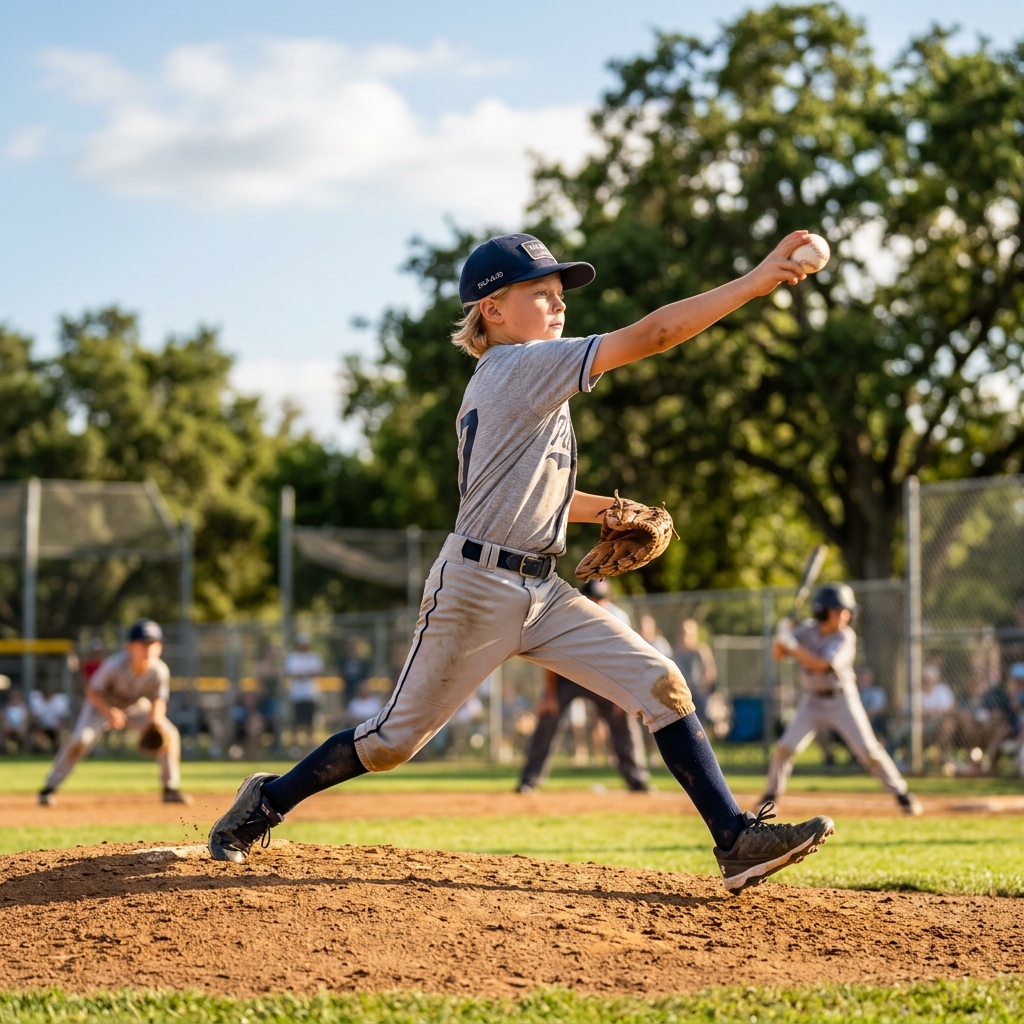
The Importance of Early Fundamentals
Young players need to learn the basic mechanics early. Catching, throwing, and hitting form the foundation of the game. I always emphasize proper form from day one. Bad habits are very difficult to break later on. A solid foundation ensures steady progress as players age. When parents look for baseball for kids near me, they should ask about practice structure. Good practices focus heavily on individual skill work. Games are fun, but practice is where players improve. Repetition builds muscle memory and confidence. I have seen many players struggle because they skipped the basics. Coaches should break down the swing into manageable steps. Throwing mechanics must be taught with care. Poor throwing form leads to arm injuries. We want our players healthy and active. A strong fundamental base also helps players adjust to faster pitching. As they move up in age, the game speeds up. Good fundamentals slow the game down for them.
Evaluating Community Programs
Community programs are the starting point for most players. These leagues are the heartbeat of local neighborhoods. They provide an inclusive environment for everyone. If you want baseball for kids near me, start with your local Little League. You might also look into Cal Ripken charter programs. These community based organizations teach the fundamentals perfectly. They focus on teamwork and basic mechanics. Everyone gets a chance to play and learn. The pressure to win is usually kept to a minimum. This low stress environment is ideal for beginners. I have watched countless kids hit their first ball in these leagues. The joy on their faces is unmatched. Parent volunteers often coach these teams. Some parents are highly knowledgeable about the game. Others are just learning alongside their kids. It is important to find a coach who communicates well. A good community coach focuses on effort over results. They praise good attitudes and sportsmanship. These programs are affordable and accessible.
Stepping Up to Competitive Play
Some players outgrow the community leagues quickly. They need a bigger challenge to continue developing. This is where competitive and travel teams come in. For older or more skilled players, club baseball leagues Colorado provides great travel options. These teams play in weekend tournaments across the state. The competition is fierce and the development is rapid. Players face better pitching and stronger hitters. The speed of the game increases significantly. The commitment level is also much higher. Families travel often and spend weekends at the ballpark. Practices are longer and more intense. Coaches on club teams are often paid professionals. They bring advanced knowledge and college playing experience. I always tell parents to evaluate their child before making the jump. Is your child truly passionate about baseball? Do they want to practice on their own? If the answer is yes, club baseball might be the right fit. It is an investment of time and money. The rewards can be substantial for dedicated players.
Exploring Baseball Leagues Colorado
The landscape of baseball leagues Colorado is vast and diverse. We have options for every age and skill level. The Front Range hosts numerous competitive tournaments. Mountain towns also have dedicated summer leagues. Each region offers a unique flavor of the game. I have scouted tournaments from Fort Collins down to Pueblo. The talent pool is deep in every area. When selecting a league, consider the travel requirements. Some leagues stay local to a specific county. Others require driving across the state every weekend. You must find a balance that works for your family. Ask league directors about their philosophy. Do they prioritize development or winning championships? The best leagues strike a healthy balance between the two. They enforce rules that protect player health. Pitch counts are strictly monitored. Safety should always be the top priority. A well run league communicates clearly with parents and coaches. They have organized schedules and competent umpires. These factors make a big difference in the overall experience.
The Search for the Right Team
Parents constantly ask me how to find the right team. The search for baseball for kids near me starts online. You should check community center websites first. Many towns run their own recreational leagues. These are great starting points for young kids. Social media groups are also valuable resources. Local community pages often post registration dates. Talk to other parents at school or the park. Word of mouth is incredibly powerful in youth sports. Ask about their experiences with specific coaches. You want honest feedback from people you trust. Once you find a few options, go watch a practice. Observe how the coaches interact with the players. Are the kids engaged and having fun? Is the coach patient and encouraging? You can learn a lot from a thirty minute observation. Trust your instincts when making a decision. If a program feels too intense, it probably is. If it seems disorganized, keep looking. Finding the right fit requires a little effort. The payoff is a great season for your child.
Prioritizing Arm Care and Health
Arm injuries are rising in youth baseball. This is a very concerning trend for coaches and parents. Look for coaches who prioritize proper throwing mechanics. Arm care is vital for young players. A good coach protects their pitchers and focuses on long term health. They never push a tired player to keep throwing. The youth baseball Colorado scene is adapting to this reality. Strict pitch counts are now the norm. However, pitch counts alone are not enough. Proper mechanics reduce the stress on the elbow and shoulder. I always teach players to use their legs when throwing. Power comes from the lower body, not just the arm. Rest is also a critical component of arm care. Players should not throw year round. They need time to recover and play other sports. I encourage my players to play soccer or basketball in the winter. Cross training builds better overall athletes. It prevents burnout and repetitive stress injuries. Parents must be advocates for their children. Do not let a coach overuse your young pitcher.
Developing Hitting Skills
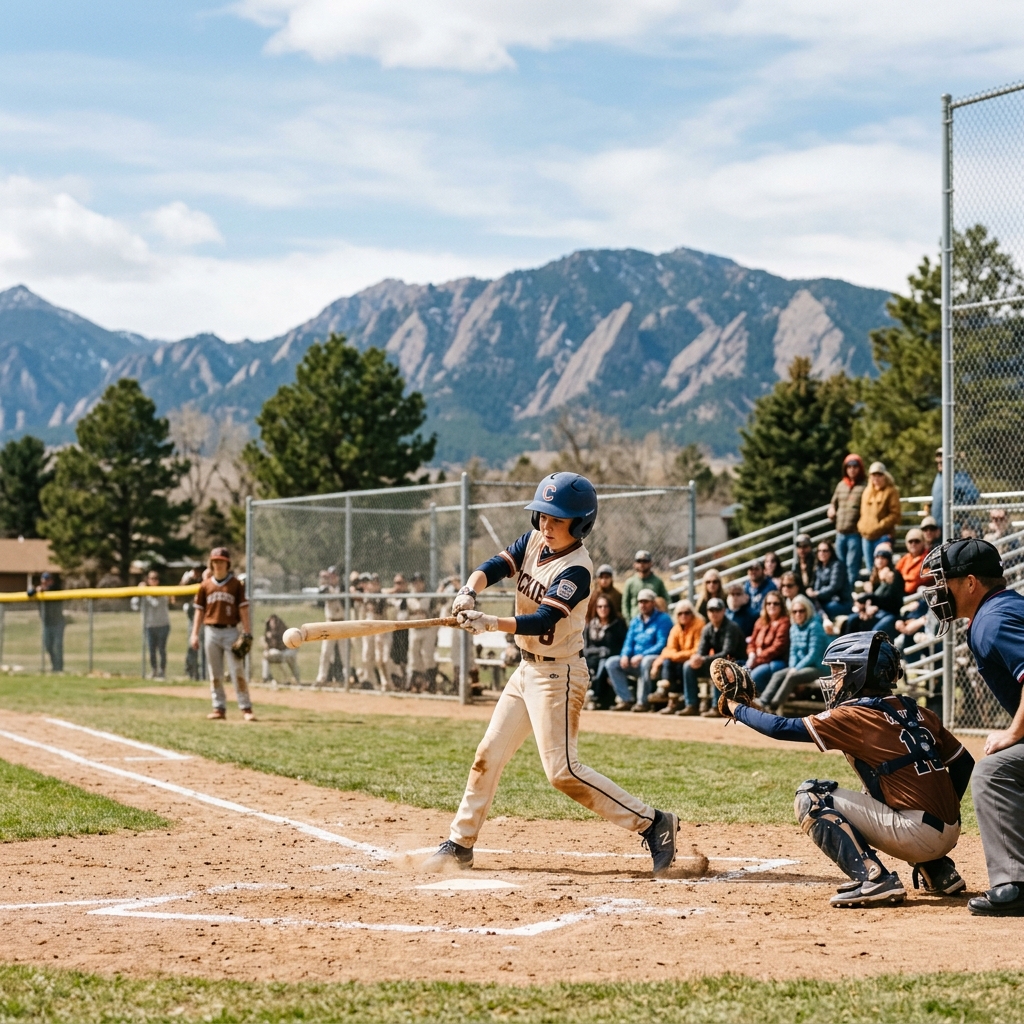
Hitting a baseball is arguably the hardest skill in sports. It requires hand eye coordination and perfect timing. Kids must practice hitting regularly to see improvement. I focus on a balanced stance and a smooth swing. Players must keep their eyes on the ball all the way to the bat. Too many kids pull their heads out early. This leads to weak ground balls or swings and misses. Tee work is essential for hitters of all ages. Even professional players use batting tees every day. The tee allows players to focus purely on their mechanics. It removes the variables of a moving pitch. Soft toss is another great drill for developing hitters. It builds rhythm and timing in a controlled setting. When facing live pitching, players need confidence. Confidence comes from preparation and repetition. I tell my players to hunt for their pitch. They should swing aggressively at strikes. Strikeouts are part of the game. We use them as learning opportunities. A positive approach at the plate yields better results.
Mastering Defensive Play
Defense wins championships in youth baseball. Teams that catch and throw consistently will win most of their games. I spend a significant amount of practice time on defensive drills. Infielders need to learn proper footwork and glove position. Outfielders must practice tracking fly balls and hitting their cutoffs. Every position requires specific skills and awareness. I run high repetition drills to build defensive instincts. Players should react to the ball without thinking. We practice game situations repeatedly. This helps players know where to throw the ball before it is hit. Catchers are the field generals on defense. They direct the infield and manage the pitchers. A good youth catcher is a massive asset to any team. They block wild pitches and keep runners from advancing. I always encourage kids to try catching. It is a demanding position but highly rewarding. Defensive pride is contagious on a team. When one player makes a great play, others want to match it.
The Mental Side of Baseball
Baseball is a game of failure. Even the best hitters fail seven out of ten times. Learning to handle failure is crucial for young players. They must develop mental toughness and resilience. I teach my players to focus on the next pitch. Dwelling on a mistake only leads to more mistakes. A strikeout or an error is in the past. The player must reset their mind immediately. This is a difficult skill for children to master. Parents play a huge role in this process. Do not criticize your child after a bad game. Offer support and encouragement instead. Ask them what they learned from the experience. Celebrate effort and good decision making. The mental lessons learned in baseball translate directly to real life. Kids learn how to overcome adversity and stay positive. They learn that hard work eventually pays off. These life lessons are far more important than batting averages. A strong mind is a player’s best tool.
Choosing the Right Equipment
Equipment can be overwhelming for new baseball parents. There are countless bats and gloves on the market. You do not need to buy the most expensive gear. A proper fit is much more important than the brand name. The glove must fit the child’s hand securely. A glove that is too big will cause errors. It is hard to squeeze and control. Break the glove in properly before the season starts. There are many methods for breaking in a glove. I recommend playing catch frequently. That is the best way to form the pocket. Choosing a bat requires careful consideration. The bat must not be too heavy. A heavy bat ruins swing mechanics and bat speed. Have the child hold the bat straight out with one arm. If they cannot hold it steady for ten seconds, it is too heavy. Cleats are also essential for safety and performance. They provide traction on dirt and grass. Make sure the cleats fit well to prevent blisters. Good equipment builds confidence on the field.
The Impact of High Quality Coaching
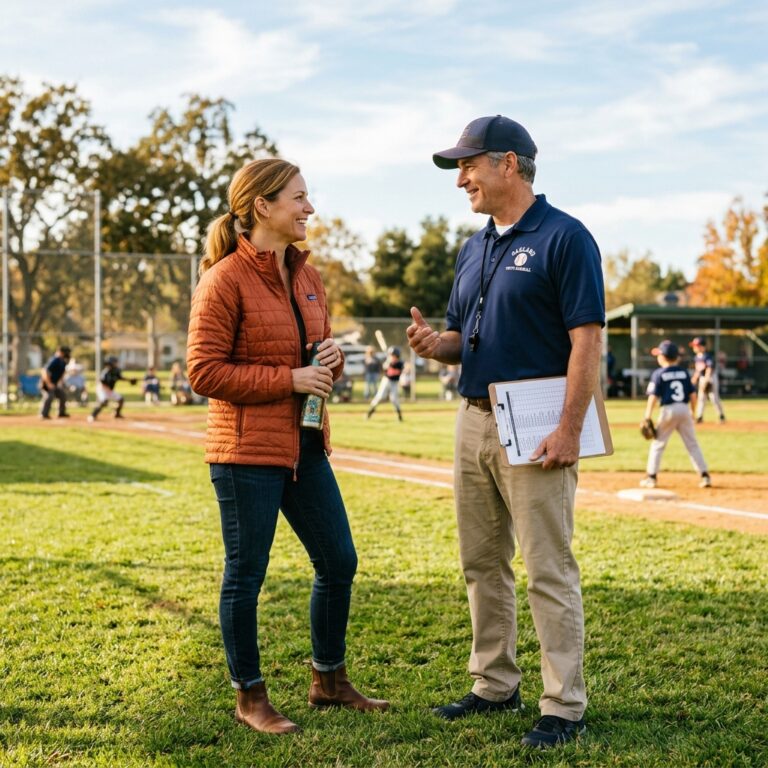
Coaching is the single biggest factor in a player’s experience. A great coach inspires and educates. A poor coach can ruin the game for a child. I have worked alongside some incredible coaches in my career. They all share common traits. They are patient, organized, and positive. They communicate effectively with kids and adults. They plan their practices down to the minute. No time is wasted on the field. Kids are always moving and learning. If you are looking at baseball leagues Colorado, ask about their coach selection process. Do they provide training for their volunteers? Do they run background checks? A good league supports its coaches with resources and clinics. I always encourage parents to volunteer. You do not need to be an expert to help out. You can organize equipment or run a station at practice. Your involvement makes the coach’s job easier. It also shows your child that you value their activities. Good coaching leaves a lasting impact.
Fostering Teamwork and Friendship
Baseball is a team sport at its core. Individual success means very little if the team fails. I emphasize teamwork constantly. Players must support each other on and off the field. A dugout should be loud and encouraging. Teammates cheer for each other during every at bat. They pick each other up after an error. The friendships formed on the baseball diamond are special. Many kids stay friends long after the season ends. They share a unique bond forged through practice and competition. This is a major benefit of youth baseball Colorado programs. Kids meet peers from different schools and backgrounds. They learn to work together toward a common goal. They understand that every role on the team is important. The star pitcher needs the outfielders to catch fly balls. The clean up hitter needs runners on base. This mutual dependence teaches valuable social skills. It prepares kids for future endeavors in school and work.
Final Thoughts on Youth Baseball
Navigating youth baseball Colorado options takes time and research. There are many paths a player can take. Whether you choose a local community league or a travel club, the goal remains the same. We want our children to have fun and learn the game. We want them to develop skills and build character. Searching for baseball for kids near me is the first step in a wonderful journey. Trust your instincts and prioritize your child’s well being. Focus on good coaching and fundamental development. Celebrate the small victories and support them through the failures. Baseball is a beautiful game that teaches incredible life lessons. I have cherished every moment I have spent on the field. The smell of the cut grass and the sound of the bat are timeless. I hope your family finds a program that brings you joy. Enjoy the practices, the games, and the car rides. The youth baseball years go by very fast. Make the most of every inning.